New - 3 Hours Ago



Apex combines a historic downtown, expansive parks, and access to the Triangle's major destinations. But where you live within Apex can make a surprising difference in your commute, monthly expenses, and everyday routine.
On a Saturday, life in Apex might mean wandering along Salem Street, taking the kids to Pleasant Park, or heading out for a walk on a greenway. By Monday morning, the same household could be navigating US 1, heading toward Research Triangle Park, or deciding whether a toll road is worth the money.
Both experiences are part of living in Apex, North Carolina.
Situated in the Triangle region, Apex offers access to Raleigh, Research Triangle Park (RTP)—a major regional research and employment area—and Raleigh-Durham International Airport (RDU). Its downtown, parks, and expanding development give residents reasons to spend time closer to home, too.
But Apex isn't one uniform neighborhood. A home near downtown can offer a different lifestyle from one in a newer subdivision. Two properties with Apex mailing addresses may even have different utility arrangements, school assignments, or tax obligations.
That distinction matters when you're deciding where to buy.
Apex has plenty going for it. The more useful question is which of those advantages you'll actually enjoy from a particular address—and what tradeoffs come with them.
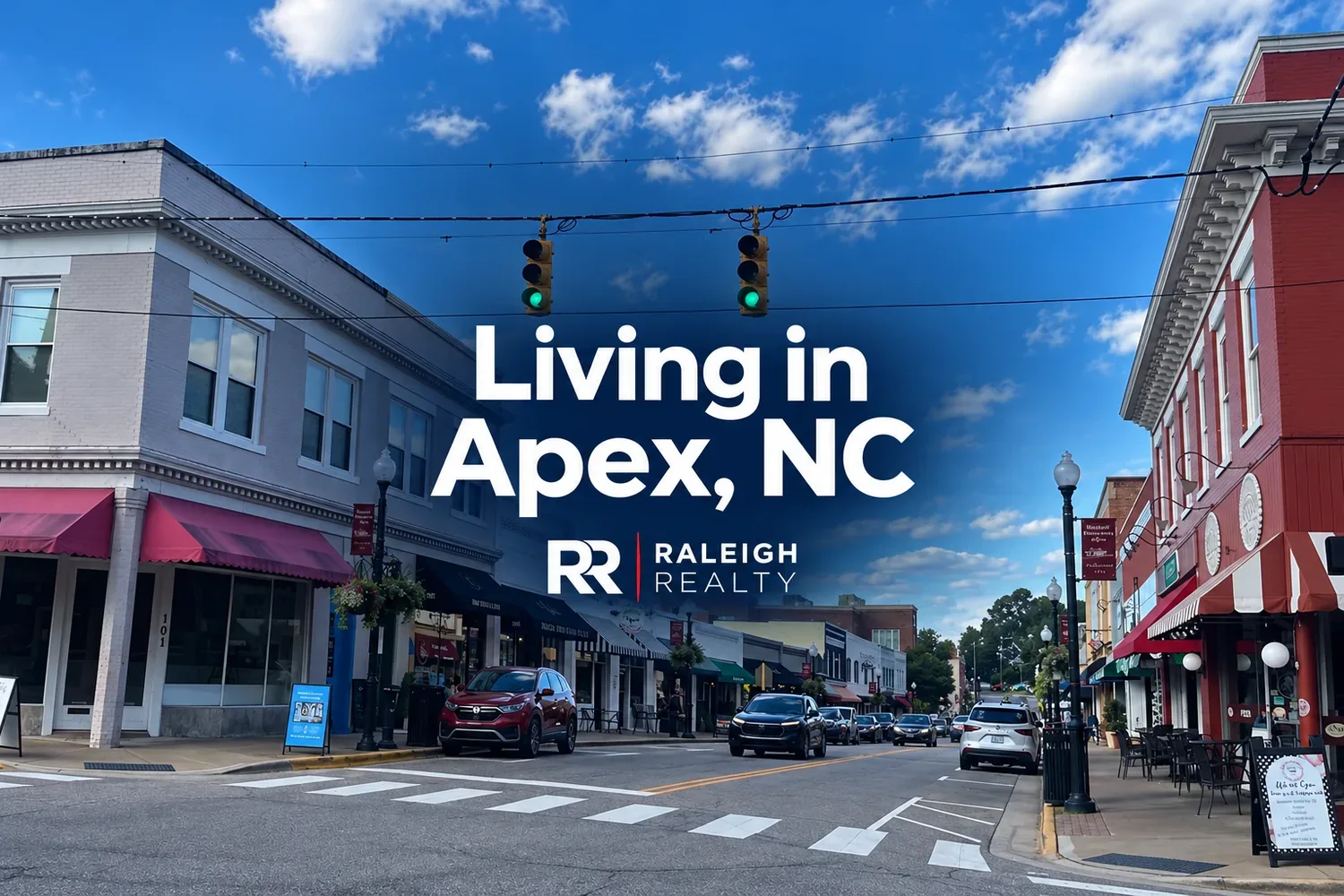
Downtown Apex gives the town something many buyers hope to find in a suburb: a recognizable center with shops, restaurants, and community events.
Salem Street is the heart of that experience. Rather than being only a commercial strip you pass through by car, downtown provides a place to explore local businesses, attend events, and spend an afternoon.
The Town of Apex's downtown guide includes a business directory, map, activities, and events calendar. The town describes downtown streets as pedestrian-friendly.
For buyers who enjoy walking to local destinations, that's a meaningful attraction.
But imagine finding a listing that advertises proximity to Salem Street. On the map, it looks promising. Then you check the actual walking route and discover that reaching downtown involves an uncomfortable crossing or a longer trip than the distance suggests.
Another home might have a continuous sidewalk route that makes walking downtown much more practical.
Both could be described as close to downtown. They wouldn't deliver the same daily experience.
If walkability is one of your reasons for choosing Apex, check the sidewalks, crossings, and actual route from the property. Don't rely on a distance measurement alone.
Apex is improving Salem Street through its streetscape project, which means some of the downtown experience is temporarily affected by construction.
The town's October 6, 2026, project update reported that downtown businesses remained open during the work, although traffic, pedestrian access, and parking arrangements were subject to changes.
The town anticipated substantial completion in mid-December 2026, with final cleanup expected in January 2027. Those are construction targets, not confirmation that the work will finish on those dates.
For someone moving near downtown, the distinction matters. Construction inconvenience may be temporary, but buyers should understand current access conditions rather than assuming everything shown in a future streetscape plan is already in place.
Before visiting, check the town's downtown parking map and latest construction notices.
Not every enjoyable afternoon in Apex needs to involve downtown.
Pleasant Park, at 3400 Pleasant Plains Road, offers a very different kind of gathering place. Its amenities include the Enchanted Forest playground, athletic fields, basketball and tennis courts, pickleball facilities, and Splashlantis, a water-play area.
The playground alone features a 1.5-acre area with nine inclusive play villages, giving families a substantial destination rather than just a few pieces of equipment.
Splashlantis opened in May 2024. It's a seasonal attraction, and its 2026 season ended after the last Sunday in September. As of October 17, 2026, the official Splashlantis page lists the splash pad as closed for maintenance. That closure applies to Splashlantis, not all of Pleasant Park. The official Pleasant Park information provides details about facilities; check the Splashlantis page for current notices before visiting.
For a household with children who enjoy playgrounds and organized sports, access to a park like this could weigh heavily in a neighborhood choice.
Yet that doesn't mean every Apex resident will use it regularly.
If Pleasant Park is a priority, consider the drive from the homes you're comparing. A park you pass on routine errands may become part of weekly life. One requiring an inconvenient trip might become more of an occasional destination.
As of October 2026, Apex maintained more than 22 miles of public greenway, with additional connections planned through future development.
That provides options for outdoor recreation, including Beaver Creek Greenway and other trails in town.
The town's greenway page offers trail information and mapping resources. But it's important to distinguish existing, open trails from proposed connections.
A house may back up to green space without having a public trail entrance nearby. A line on a planning map may represent a future connection rather than something residents can use today.
Temporary closures are another consideration. For example, the town announced closures near two Beaver Creek Greenway bridges for October 12–16, 2026, while repairs were scheduled.
That's not a reason to discount the greenway network. It's a reason to look at actual access, trail status, and maintenance notices.
In a public discussion about moving to Apex, participants disagreed about activities, downtown convenience, and subdivision living, mentioning parks and greenways among local amenities. Those opinions reflect the participants' own experiences, not a townwide verdict.
Someone who likes outdoor recreation and occasional downtown outings may find Apex appealing. Someone who wants entertainment and restaurants within an easy walk of the front door may need to be much more selective about location.
The distinction between being near something and being conveniently connected to it becomes even more important during the workweek.
US 1, US 64, and NC 55 are significant roads for getting around the Apex area. Which route makes sense depends on both the property's location and the destination.
Consider three people moving to Apex.
One commutes to downtown Raleigh. Another works in Research Triangle Park. A third works remotely but flies regularly through RDU Airport.
All three can reasonably consider Apex, but they shouldn't evaluate the same house using the same transportation assumptions.
Driving to downtown Raleigh isn't equivalent to reaching an office near I-440, Raleigh's Beltline. An RTP commute depends on which employer and entrance you're heading toward. And an airport trip may be more important than either one for a household that doesn't commute daily.
A home that looks conveniently located on a regional map could be less practical once its actual driveway, neighborhood entrance, and recurring destinations enter the picture.
Test the trip at the time you expect to travel. Check the return journey separately, and factor in school pickup, groceries, or other stops that are part of your routine.
Public discussions offer individual experiences, not a reliable measure of typical commutes. In an Apex-versus-Wake-Forest conversation, people disagreed about traffic, distance, and housing value, while one participant worked remotely. In another discussion about Triangle-area neighborhoods, the person asking clarified that airport access mattered more than the office commutes other commenters had assumed.
If you're considering a home near a major road or railroad, there's another reason to visit more than once: sound. Traffic and rail noise can vary by time of day, and a quiet showing doesn't establish what you'll hear every morning or evening.
The Triangle Expressway offers an additional routing option in the region, but it isn't free.
According to NCDOT, the road uses all-electronic tolling. Drivers pay through a prepaid NC Quick Pass arrangement or by receiving an invoice.
The NC Quick Pass toll calculator provides estimates based on the route and payment method.
You may decide a toll is worthwhile because of the time or convenience it provides. Just include the expense when comparing homes, especially if more than one household member will use that route regularly.
This is where transportation stops being merely a location question. It becomes part of the cost of living in Apex.
A purchase price can tell you whether a home is within your search range. It can't tell you the full cost of living there.
Consider two similarly priced homes. One has substantial association dues but covers certain shared services. The other has lower association charges but requires a longer drive involving fuel and recurring tolls.
A comparison based on mortgage payments alone would miss those differences.
Your ongoing budget may include principal and interest, property taxes, homeowners insurance, mortgage insurance if applicable, homeowners association (HOA) dues, utilities, and transportation expenses such as fuel, tolls, and parking.
Some costs are easily overlooked. Others are accidentally counted twice.
If the lender's projected monthly payment already includes property taxes and homeowners insurance through escrow—money collected with the mortgage payment toward those bills—don't add those costs again as separate expenses.
Check whether mortgage insurance applies and which costs are included in the quoted payment.
Then examine the expenses outside the loan itself.
The Town of Apex's fiscal-year 2026–27 budget lists a municipal property-tax rate of $0.3735 per $100 of assessed valuation. The assessed value used to calculate property taxes may differ from the price paid for a home.
That's a specific town component, not the complete property-tax rate for every home with an Apex address.
Other taxing jurisdictions may apply, including county and other applicable components. Homes outside town limits can have different tax circumstances.
The town's budget information provides the municipal component, but buyers should use the current parcel tax records to identify the property's assessed value and actual taxing jurisdictions.
Don't assume the seller's older tax bill establishes what your bill will be after purchasing.
Homeowners insurance should be evaluated with similar care. Obtain a quote for the specific property and review the coverage and deductibles rather than relying solely on a broad estimate.
Some Apex neighborhoods have homeowners associations, and the financial arrangements can differ.
Review the current dues schedule, association budget, and any assessment notices.
Payment frequency matters. So do the services included in the dues, restrictions in the governing documents, and the possibility of additional charges.
Higher dues aren't automatically worse if they cover useful services. Lower dues aren't automatically a bargain if the association provides less or has additional financial obligations.
Our guide to HOA fees and rules in the Raleigh area explains what to examine.
Home condition can change the comparison, too: you may need to set aside more for possible repairs to one property than another. An inspection and an estimate from a qualified repair professional can help you judge what work may be needed, when, and at what cost. Keep that money separate from recurring bills and the cash needed for closing and moving.
Finally, keep one-time purchase costs out of your monthly expense comparison. Closing costs require cash planning, but they're different from bills you'll pay throughout ownership. See our Raleigh closing costs guide for that part of the budget.
| Monthly cost | Record or estimate to use | What to compare between homes |
|---|---|---|
| Mortgage payment | A lender's property-specific estimate | Loan terms, down payment and which costs are included in escrow |
| Property taxes and insurance | Current parcel tax record and an insurance quote | Tax jurisdiction, assessed value, coverage and deductibles; avoid counting escrowed costs twice |
| HOA dues and other association charges | Current dues schedule, budget and any assessment notices available | Payment frequency, services covered and additional charges; read our HOA fees and rules guide |
| Electricity, water, sewer and other services | Available itemized bills plus the provider's current charges | Seasonal usage, fixed charges, service providers and any services paid separately |
| Regular travel | Your actual routes and the current toll calculator | Toll trips per week, fuel and parking costs for the destinations you use |
After taxes and association dues, utilities are another area where two Apex homes may differ more than expected.
An Apex mailing address doesn't automatically confirm that a home is incorporated into the town or receives town electric, water, and sewer services.
Town limits and utility service territories answer different questions.
The Town of Apex utility directory links to electric service, water and sewer information, and residential connection resources.
For an existing home, find out which utility providers currently serve it.
If you're considering land or a property without an established town water or sewer connection, don't assume that a nearby municipal line guarantees service.
The town's water and sewer connection guidance explains the process. Depending on the property, availability, easements, permits, and annexation requirements can affect a new connection.
That's a very different situation from purchasing an established home where utilities are already connected.
Utility costs also depend on how a home is used.
In a public Apex utility-bill discussion, participants reported different totals and discussed usage, rates, base charges, and meters.
A bill's total amount doesn't reveal which factor explains the expense.
A higher bill could reflect heavier consumption, a longer billing period, changing rates, or fixed charges. Seasonal weather, household occupancy, thermostat settings, and appliances can also affect usage.
Internet availability deserves the same address-specific attention. A provider serving part of Apex may not serve every property. Check actual availability, monthly plan charges, and any installation or equipment expenses—especially if you work remotely.
There's another part of Apex living that a typical property tour might not reveal: what happens to the land around your home after you move in.
Imagine touring a house with an attractive view across an undeveloped parcel.
Today, that land is open. But what is approved for it? Are new homes proposed? Could an access road eventually connect to the neighborhood? Is utility work scheduled nearby?
These questions matter because future development can change a property's surroundings and the way residents use nearby roads.
The town's Veridea development information describes a large mixed-use project covering approximately 1,100 acres in Apex.
Its plans include different types of housing, retail, office and industrial uses, and a Wake Tech campus.
The town's October 2026 information identifies phased development, with Phase I components targeted for completion during 2027.
That future mix could create new destinations and services for residents. But planned facilities and construction targets aren't the same as stores, campuses, or offices already operating.
Nor does an ambitious development plan tell you what will happen immediately next to a particular home.
The practical questions are more specific. Which parcel borders the property? What is its current application status? Which plans have been approved, and which remain proposed? Where might new access roads go?
Road and utility notices can also offer clues about upcoming work, although the timing of actual construction may change.
Buyers shouldn't assume that undeveloped surroundings will remain unchanged. They also shouldn't treat a conceptual development plan as a guarantee that every proposed amenity will arrive on schedule.
Understanding the difference can help you evaluate both the opportunities and the inconvenience that development may bring.
For households considering public schools, school assignment can influence a home purchase as much as commuting or nearby amenities.
But a school name in a listing isn't enough to determine where a student will be assigned.
The Wake County Public School System's official assignment lookup provides base school information using a residential address, grade level, and school year.
It also includes calendar and transportation details and may flag enrollment caps, which can limit enrollment, or split assignments that require closer checking. If either appears, ask WCPSS how it affects the particular student's school assignment, enrollment options, and transportation for that grade and school year.
That information matters because nearby homes don't necessarily have identical assignments or transportation arrangements.
Start by confirming which school district serves the property. An Apex mailing address isn't, by itself, a complete district or enrollment determination.
Then verify the relevant assignment for the school year and grade you need. If enrollment availability or a particular program is central to your decision, follow up directly with the district.
A listing description is useful context. It isn't an enrollment guarantee.
For someone looking for access to the Triangle's major destinations without giving up a recognizable local downtown, Apex has a compelling appeal.
Salem Street offers shops, dining, and events. Pleasant Park provides substantial recreation facilities, while the greenway network offers additional outdoor options. Connections through US 1, US 64, NC 55, and the regional toll-road network can make Apex worth considering for a range of work and travel patterns.
But those advantages don't land equally at every address.
A household that works remotely and enjoys outdoor recreation might prioritize a convenient park or greenway entrance. Someone with a five-day RTP commute may be more concerned with access to the right roads. A buyer who loves historic downtown may choose to give up some other conveniences for a property with a comfortable route to Salem Street.
Likewise, a home in an association-managed neighborhood may appeal to one buyer while its recurring dues and rules discourage another. A property near future development might be exciting because of planned destinations, yet less attractive to someone who strongly prefers an established, predictable setting.
The best way to compare homes here is to connect each property with the routines that matter to you. Walk the route downtown. Test the commute in both directions. Check the nearby greenway entrance. Review the real ownership costs, utility arrangements, neighboring development plans, and school assignment.
Each page shows up to six active or coming-soon residential listings for Apex. A listing's city alone doesn't confirm town limits, utility service or school assignment. For more choices, explore the wider Apex home search.

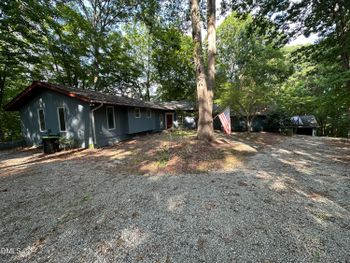
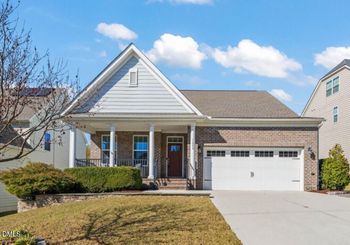
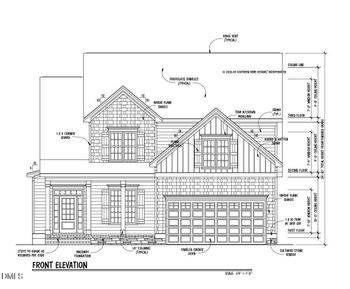
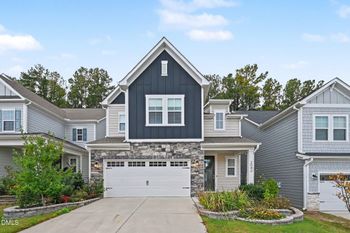
Explore homes for sale in Apex, NC to see available inventory. If you're still comparing towns, our guide to the best Raleigh suburbs can help you consider Apex alongside other communities.
You can also use our moving to Raleigh checklist to organize the practical details of a move.
For help comparing specific Apex homes, understanding neighborhood differences, or evaluating the costs and property considerations behind a listing, contact HomesRaleigh.
Source note: Town project updates, fiscal-year tax information, facility notices, and development targets referenced here reflect official information reviewed in October 2026. Plans, rates, schedules, and property-specific conditions can change; confirm current details before making a purchase decision.