New - 2 Hours Ago






Living in Durham can mean a downtown evening at DPAC, a walk through Duke Gardens after work, or a weekend hike along the Eno River. Those are different reasons to move here—and they lead to different home searches.
If you're asking whether Durham is a good place to live, start with what you want close to home. Downtown events, a particular Duke workplace and a trail entrance are useful destinations to compare. Then look at the homes available nearby and the costs of owning them. A Durham mailing address alone won't tell you your tax district, school assignment or drive to work.
Here are four places to start, followed by a practical cost example and a way to compare homes before you visit.
If a show is your idea of a good evening, put downtown on your first visit. DPAC is beside the Durham Bulls Athletic Park in the American Tobacco Historic District. The American Tobacco Trail starts nearby at Morehead and Blackwell streets, giving you a separate reason to come downtown during the day.
A condo may suit you if you would rather spend your weekend out than maintain a private yard. Compare its association dues and maintenance responsibilities with a detached home, rather than treating the purchase prices as the whole comparison.
Before choosing a downtown home, find out whether a parking space comes with it and whether guests have somewhere to park. A public garage permit is a separate arrangement: Park Durham lists monthly options, and some facilities have waitlists. Walk from the actual front door to the places you'd visit, then return during an event to hear and see the street when it's busy.
“Near Duke” needs a more specific destination. Duke University Hospital is at 2301 Erwin Road; Duke Regional Hospital is at 3643 North Roxboro Street. A home that makes sense for one route may not be your first choice for the other.
If your work takes you to Erwin Road, compare homes using your employee entrance, parking location and start time. If you take the bus, use GoDurham's trip planner to check transfers and the return trip after your shift.
For a visit beyond the workplace, Sarah P. Duke Gardens is at 420 Anderson Street. Admission is free; visitor parking is currently $2 an hour. Spaces are limited, so check the current parking options before your visit. Its garden paths give you a different afternoon from a downtown show or a long trail walk.
Put south Durham on your list if your regular trips include Southpoint or an office in Research Triangle Park. For work, use the employer's street address—not a route to the middle of RTP. If two people commute, compare both trips before choosing the home you like best.
You can also approach the American Tobacco Trail from farther south. The official trail map shows access at Southpoint Crossing as well as the downtown end. Durham's section is approximately 11 miles of paved trail; that doesn't mean every nearby subdivision has a direct entrance.
Try the entrance you would actually use. Can you walk or bike there from a candidate home, or would you drive and park? That distinction matters more to a daily walk than being described as “near the trail.”
If Duke Regional is your workplace, start with its North Roxboro Street location when you compare routes. If river and woodland walks draw you here, include a visit to Eno River State Park's Fews Ford access at 6101 Cole Mill Road.
Fews Ford is in Orange County despite its Durham mailing address. That's a useful reminder when a search reaches beyond the city: confirm the property's county and city limits before using a Durham tax rate or school locator.
Choose between the outings as well as the map locations. Would you use a paved trail on an ordinary weekday, or make time for a river hike on weekends? Visit both if you're unsure. A park nearby is useful only if you enjoy going there.
For a homebuyer, the most useful comparison is the monthly cost of the homes you can actually buy. Start with the mortgage estimate, then add property taxes, insurance, association dues if applicable, utilities and repairs. A citywide average cannot tell you what a particular house or condo will cost you.
Durham County's FY 2026–2027 tax table lists a combined Durham city and county rate of $1.0163 per $100 of assessed value. For a home assessed at $400,000, that calculation is:
$400,000 ÷ 100 × $1.0163 = $4,065.20 a year, or about $339 a month to set aside.
This is an illustration, not a tax quote. It uses assessed value, which can differ from the sale price, and excludes additional applicable fees and any tax relief. The county lists a different combined rate for the downtown Business Improvement District and separate rates for special or fire districts. Check the parcel's assessment and district with Durham County Tax Administration before using the example in your budget.
For a condo or a home in an association, request the current dues, budget and any approved special assessment. Ask which repairs you would pay for yourself. For a detached home, use the inspection and contractor estimates to budget for items such as the roof, heating and cooling equipment or drainage work.
If the home uses city water and sewer, Durham's new-service instructions list a $50 initiation fee on the first bill and a deposit for initial service, although deposit exemptions may apply. Confirm the deposit and service details with the city. For a home with a well or septic system, ask for the available inspection and maintenance records instead of assuming city service.
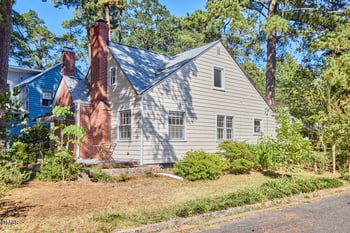
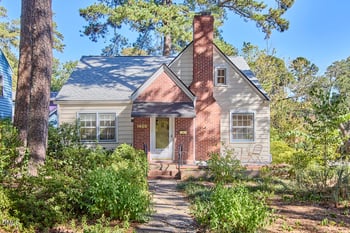
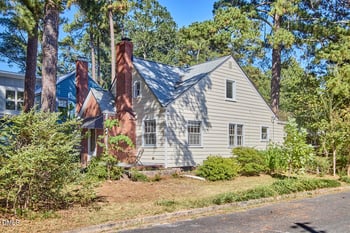
There is a separate consideration if an older home catches your eye. Durham's Watts-Hillandale preservation plan documents early twentieth-century bungalows and Foursquare houses. If you plan exterior changes, check whether the parcel is in a locally designated historic district or is a local landmark. Some work requires a Certificate of Appropriateness; Durham City-County Planning can explain the requirements for your proposed windows, addition or other work.
Durham gives you several concrete reasons to build a home search here: downtown performances, Duke workplaces, garden visits, paved trail walks and river hikes. The tradeoffs depend on what you choose. A downtown condo requires a close look at dues and parking. An older house needs a repair budget and, where applicable, renovation approvals. A home near a weekend destination may still leave you with a work trip you don't enjoy.
If school assignment matters to your move, use the Durham Public Schools School Locator. Enter the full address and check the school year and grade with the district. For properties outside Durham County, contact the school district that serves that address.
You don't need to settle all of this before starting. Pick two areas you want to visit and a few homes within your budget. Compare the total monthly costs, make the work trip at the time you'd normally travel, and spend part of the visit doing something you would enjoy after moving.
Browse homes for sale in Durham and save the listings you want to compare. HomesRaleigh is Raleigh Realty's sister site, and Ryan Fitzgerald is the author of this guide.
Send Raleigh Realty the listing links and your questions, along with your budget and workplace addresses. Ask for help comparing taxes, association fees, parking, repairs and tour options. If you're buying for the first time or returning to the market, our home-buying guide explains the steps from preparation through closing.
Tax rates and listed fees checked October 1, 2026. Confirm current amounts and property-specific details before making an offer.