New - 1 Day Ago





Garner sits just south of Raleigh in Wake County. Lake Benson Park, White Deer Park and downtown events offer places to spend time in town. Downtown Raleigh, Raleigh-Durham International Airport (RDU) and Research Triangle Park (RTP), a regional business and research park, are separate destinations beyond it. Those trips can differ sharply depending on the particular address.
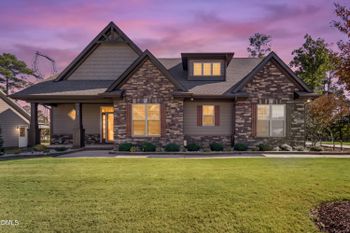
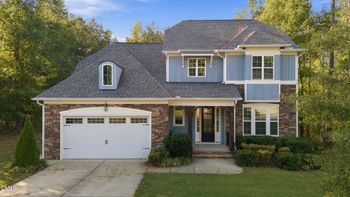
An established home and a newly built home may have similar asking prices but different yards, repair needs and association charges. In a new community, some advertised amenities may still be under construction. You can browse Garner homes for sale while considering which of these differences would matter to you.
Garner gives you local parks and scheduled downtown performances while keeping Raleigh within reach for work and other outings. That mix may appeal if you want places to visit in town without giving up trips into the larger region. But a town can offer attractive destinations without making every address equally convenient for walking or driving to them.
The town’s 2026 National Community Survey illustrates the distinction. In its weighted results, 86% rated Garner excellent or good as a place to live, while 42% rated ease of walking excellent or good. The figures are based on 227 probability-sample responses collected January 2–February 23, 2026, with an 8% response rate. They are dated resident opinions, with sampling, coverage and nonresponse limits—not a measure of every street or a prediction of your experience in any particular home. Separate open-participation responses were collected but are not part of these figures.
The two ratings describe different questions. A trail provides a place to walk once you reach the park; walking from home to a grocery store also depends on connecting streets, sidewalks and crossings.
A trail walk, a visit to the Nature Center and an evening performance are different kinds of outings. Each has details that matter when you plan a visit:
A home with a Garner mailing address may be outside Garner’s town limits. The town’s survey methods explain that the ZIP codes serving Garner also reach properties beyond the municipal boundary. That difference can affect whether town property taxes apply and which offices handle services or nearby development. The county and parcel record, rather than the mailing city alone, tell you where to start.
Local names can be just as imprecise. The nickname “40/42” historically refers to the I-40 and N.C. 42 interchange area. The nickname points to a general area; it does not tell you whether a home is in town limits or which roads you would use to reach it. In a 2026 anonymous online discussion, a newcomer clarified that a comment about trees concerned 40/42, while other speakers described Timber Drive, White Oak and parks differently. Those are individual impressions, not measurements of tree cover. For a home search, the actual street matters more than the shorthand.
The town’s homeowner resources link to tax, property and deed records and iMAPS, the Wake County and Raleigh interactive property map that you can search by address. For a house in another county, use that county’s records. Annexation means bringing land into town limits; Garner’s annexation guidance explains why this does not necessarily bring immediate public water or sewer service when nearby lines have not been built.
Consider two homes at similar asking prices. On an established street, you can see the existing yards, neighboring houses and whatever trees are there. In a new subdivision, the house may be finished while neighboring lots, roads or advertised amenities are still taking shape. The age of the building alone tells you little about the work or surroundings that come with it.
An established home brings its condition and repair history into the decision. Shade, drainage, the driveway, roof and heating and cooling equipment all deserve attention. Ask for available permits, repair receipts and service records, then discuss inspection findings and repair estimates with your agent and the appropriate inspector or contractor.
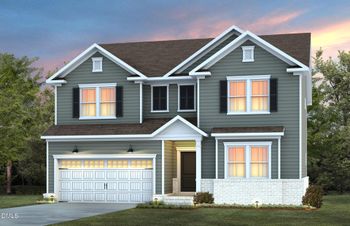
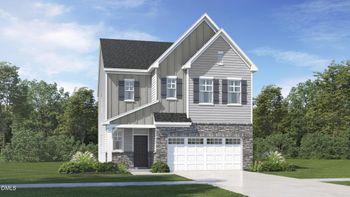
For a new home, ask the builder for the lot plan, included features, written warranty terms, expected completion date and association charges. Find out which roads and amenities are complete and which are proposed or under construction. A rendering can show what is planned without proving that it is ready to use.
Either property may have neighboring lots, drainage concerns, limited usable outdoor space or restrictions on fences, sheds and exterior changes. A homeowners association (HOA), where one applies, may collect dues, cover shared expenses and set rules or assessments. What it covers and charges depends on the specific property. The HOA fees and rules guide explains which documents and charges to request.
A downtown Raleigh workplace, a terminal at Raleigh-Durham International Airport (RDU) and a job at Research Triangle Park (RTP) are not interchangeable destinations. One address may serve one trip better than another. Someone working remotely may care most about occasional early flights; someone going to RTP several days a week has to account for the neighborhood exit and the connections to major roads on every workday.
Distance between town centers leaves out the drive from a particular house to the main road, the parking entrance and the last walk to an office or terminal. The useful tests are specific to your schedule:
In an archived 2024 Garner–RTP commute discussion, a commenter driving from northern Garner said a route using 540 offered less advantage from that location, while others described different routes. The 540 corridor is part of the outer highway loop around greater Raleigh, which is not yet complete. These are individual accounts, not current travel times or toll quotes. They illustrate why a suggested road may be useful from one home and less so from another.
Travel belongs in a home budget along with the mortgage and utilities. Two homes with similar asking prices can cost different amounts each month because of loan terms, property taxes, insurance, homeowners association charges, maintenance and regular trips. The lower listing price is not necessarily the lower monthly cost.
Town property taxes are one example of why the address matters. Garner’s approved FY2026–27 budget, adopted June 24 and effective July 1, 2026, sets the town’s property-tax rate at 53.5 cents per $100 of taxable assessed value. For a hypothetical $400,000 taxable assessed value, that works out to $2,140 a year for the town portion alone. County taxes and other applicable taxes, fees or adjustments are not included. A Garner mailing address alone does not mean this town tax applies. A home’s asking price is not automatically its assessed value, and a seller’s old bill may not represent a buyer’s future bill. Use current parcel records and confirm the estimate with the county and your lender.
If your asking-price ceiling is $300,000, browse Garner homes listed at $300,000 or less. The search shows active residential listings at or below that price, but it does not screen taxes, condition, utility arrangements or association charges. Those differences belong beside the asking price when you assess what you can afford.
| Cost | What to verify |
|---|---|
| Property taxes | Check the current assessed value and all applicable taxes. Ask your lender what is included in the estimated mortgage payment so you count taxes once. |
| Water, sewer and trash | Confirm the providers, service arrangements and charges for the address. Ask for recent bills and any connection or account-opening costs. |
| HOA charges | Request current dues, what they cover, separately collected charges and any disclosed assessments. Include the costs you would still pay yourself. |
| Insurance, energy, internet and upkeep | Get a property-specific insurance quote, available electricity and heating-fuel bills, internet charges and repair estimates. Count insurance once if it is included in the lender's payment estimate. |
| Travel | Use your actual workdays and other trips to estimate fuel, tolls and parking. Compare both the money and time each route requires. |
A lender’s estimated payment may already include property taxes and insurance, so do not add those amounts a second time. Also keep recurring bills separate from deposits, inspections, closing cash and initial repairs. The North Carolina closing-cost guide explains the purchase-cash questions to take to your lender and closing attorney.
The monthly budget becomes more concrete when you know how a house gets its water and other services. The utilities directory explains that Raleigh Water owns and operates the public water and wastewater systems within Garner’s designated urban service area following a 2001 merger. Under an agreement with Raleigh, Garner oversees extensions to those public systems. Neither the service area nor a Garner mailing address establishes that a particular house is connected to public water or sewer. Some properties use private wells, septic systems or a combination of services.
Recent utility bills from the seller can help you see past usage and charges. They are a starting point; confirm the current providers, rates and any connection or account-opening requirements for the address. If the home has a well or septic system, request available permits and service records and discuss an inspection of the actual system with a qualified inspector.
Electricity, any gas service, internet availability and trash collection can also differ from house to house. Even when an HOA pays for a service, verify what its dues include and what the owner still pays. The town’s solid-waste program is described in its directory, but availability depends on the particular property rather than its postal city.
A promising listing can leave school assignments and nearby building plans unanswered. Those questions belong alongside the condition of the home, its monthly costs and your regular trips. Keep one set of records for each address so the comparison reflects the actual properties:
One home may be closer to a park you would visit often, while another may mean a simpler weekly drive or lower monthly costs. If you are still comparing towns, the Raleigh suburbs guide covers other places in the region, and the Clayton guide takes a closer look at one nearby option.
Ask Raleigh Realty about Garner homes you are considering. Send the property addresses or search area, price range, intended move date and the places you need to reach each week. Include any questions about town limits, bills, a builder's plans or the home itself so the team can help you find the records and estimates you need.
Researched and reviewed October 12, 2026. Cover: AI-assisted illustration of downtown Garner.
Revised October 20, 2026.