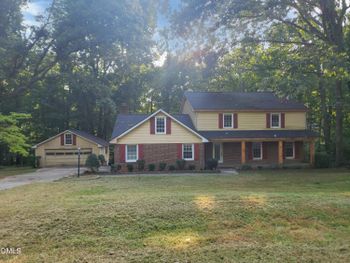
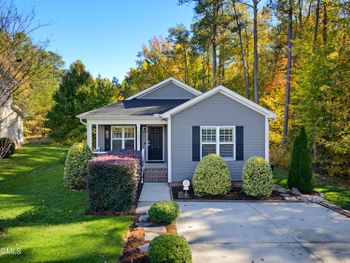
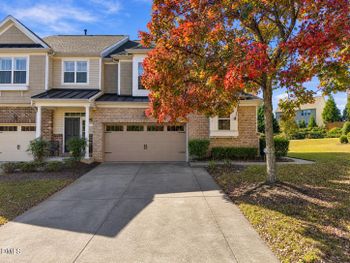
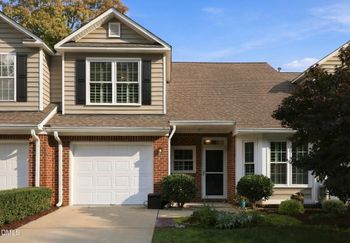
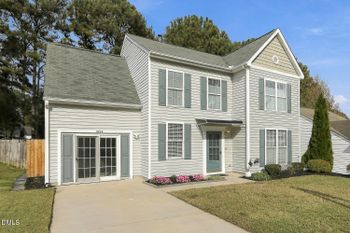
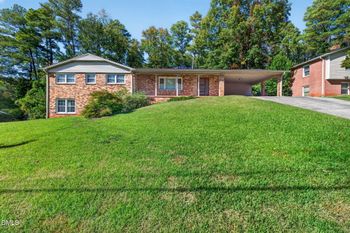
New - Just Now




Realtor.com's November 4 report found price reductions on 26.8% of active Raleigh–Cary metro listings in October, compared with 20.5% nationally, while the National Association of Realtors reported November 12 that U.S. existing-home sales fell 5.5% from September to October.
Those are different measures: asking-price changes among active metro listings and completed U.S. sales. National sales reached a seasonally adjusted annual rate of 3.75 million, down 8.8% year over year. The Raleigh–Cary metro's median asking price was $445,000, 2.6% below a year earlier.
If a house you've been watching drops $10,000, is it now worth an offer—or has the seller just moved closer to what buyers will pay? Neither set of market figures can settle that for a specific property.
Imagine a Raleigh-area house originally listed for $475,000. After several weeks, the seller reduces the asking price to $445,000.
For a buyer whose budget tops out at $450,000, the house suddenly becomes worth another look.
But the $30,000 reduction doesn't establish its value.
If comparable nearby homes have been selling around $425,000, the new asking price may still be high. If similar properties have sold closer to $445,000, the reduction tells a different story. These are hypothetical comparisons, not actual sales.
Start with recent closed transactions in the same neighborhood or immediate area. Compare property type, size, condition, lot characteristics and features that materially affect value.
Then examine the listing history. When was the original price set? How long has the house been on the market? Was it withdrawn and relisted? Did the seller make several reductions before reaching the current price?
Those details help explain how the asking price developed, but they don't prove why the seller changed it.
Realtor.com's October report provides another piece of market context. Active listings in Raleigh–Cary were up 7.6% year over year, while new listings were down 17.8%. Buyers had more active properties to consider than a year earlier, even though fewer new listings entered the market that month.
The metro's $445,000 median asking price describes that broader inventory. It isn't a completed sale or a valuation of the house you're considering.
HomesRaleigh's Raleigh housing market report provides broader local context. For a specific offer, recent comparable sales and the home's condition carry more weight.
A reduction doesn't establish that a home has a hidden defect. It also doesn't reveal the seller's motivation.
Consider two houses that each receive a $20,000 cut.
One is well maintained but entered the market at an ambitious price. The other needs substantial repairs that buyers may have factored into their decisions.
Both reductions look identical on a listing website. The costs of owning those homes could be very different.
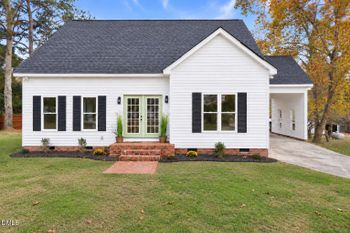
For a detached house, examine the roof, heating and cooling equipment, drainage, signs of water damage and other major components. Review available disclosures and inspection findings rather than assuming the revised price accounts for necessary work.
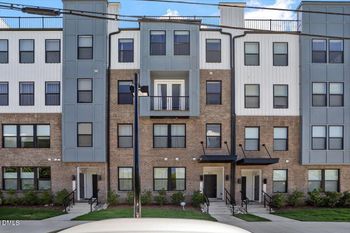
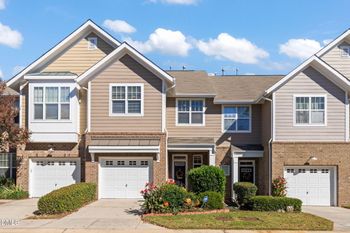
For a townhome or condo, look at association dues, maintenance responsibilities, restrictions and potential special assessments. A lower purchase price won't eliminate an expensive assessment or ongoing association obligation.
It's also worth asking whether anything besides the price has changed.
Has the seller completed repairs? Are seller concessions available? Did an earlier transaction fall through, and is there reliable information explaining what happened?
A seller may have reduced the asking price simply because buyers weren't responding. Another property may have condition or ownership costs that deserve closer examination.
Those differences can influence the terms of an offer. A buyer expecting significant repairs might negotiate differently from someone considering a well-maintained house that was initially overpriced.
Suppose you're considering a hypothetical home priced at $445,000.
You could negotiate a $10,000 price reduction. Alternatively, the seller might agree to contribute $10,000 toward eligible closing costs.
The two arrangements affect your finances differently.
Using a 30-year fixed mortgage at 7.11% interest with 20% down, here's the purchase-price comparison:
At $445,000: The down payment is $89,000, the mortgage amount is $356,000, and monthly principal and interest are approximately $2,395.
At $435,000: The down payment is $87,000, the mortgage amount is $348,000, and monthly principal and interest are approximately $2,341.
The $10,000 price reduction lowers the down payment by $2,000 and principal and interest by approximately $54 per month.
The rate comes from Freddie Mac's November 12, 2026 survey, down from 7.18% the previous week. It's a national benchmark for this illustration, not a guaranteed Raleigh mortgage quote.
These payments exclude property taxes, homeowners insurance and any association dues.
Now consider the seller-credit option.
The buyer pays $445,000, finances $356,000 and negotiates a proposed $10,000 seller closing-cost credit.
If the interest rate, down payment and loan amount remain unchanged, monthly principal and interest stay at approximately $2,395.
The credit may reduce eligible expenses at closing, but only to the extent the lender and mortgage program allow.
Under Fannie Mae's seller-contribution rules, financing concessions are limited by program requirements and actual allowable costs. They cannot fund the buyer's down payment or required reserves. An unused credit isn't cash returned to the buyer.
A lender may approve less than the proposed $10,000 if the eligible costs or program limits don't support the full amount.
If the monthly payment is your main concern, reducing the purchase price may help more. If cash needed at closing is the obstacle, an eligible seller credit may be more useful.
Ask the lender to compare both arrangements for the actual property and loan program. The CFPB's Loan Estimate guidance explains how to compare projected payments and closing expenses. HomesRaleigh's Raleigh closing costs guide covers additional expenses buyers should budget for.
Once you've checked comparable sales and the property's condition, the next decision is how much you're willing to offer—and how much money you're prepared to put at risk if the purchase doesn't work out.
Start with the price your research supports.
Then decide whether the monthly ownership cost and cash needed at closing fit your budget. If the numbers don't work, a property can remain too expensive even after a substantial reduction.
The offer also needs terms you understand.
In North Carolina, buyers should pay particular attention to the due-diligence fee, earnest-money deposit and contract deadlines.
Before committing those funds, understand when they're due, how the contract treats them if you terminate and what decisions must be made during the due-diligence period.
That matters if an inspection reveals expensive repairs, insurance costs change the ownership budget or financing develops a problem.
An appraisal may also be required by the lender. If the appraised value comes in below the agreed purchase price, the shortfall can affect financing and may require the buyer and seller to revisit the terms.
Ask the lender what appraisal requirements apply, and review the contract before assuming a low appraisal will allow you to recover money already committed.
HomesRaleigh's guide to low appraisals in North Carolina explains the options buyers may need to consider when the valuation doesn't support the agreed price.
A buyer might be comfortable making a lower offer but unwilling to commit a large due-diligence fee before investigating the property's condition. Another buyer may be prepared for repair costs but need financing terms that preserve more cash at closing.
With those limits established, browse Raleigh homes for sale and check the listing history of properties that interest you. It's a general citywide search, not a dedicated price-drop filter.
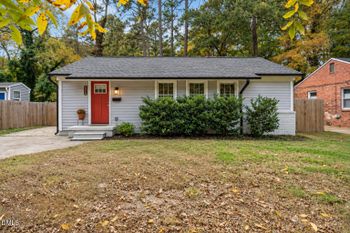
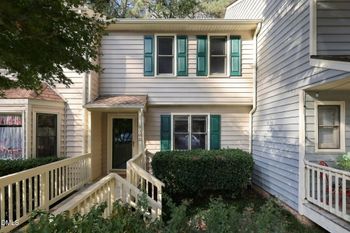
Conceptual illustration of a Raleigh-area home.