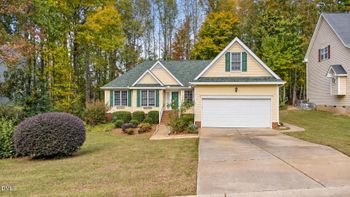
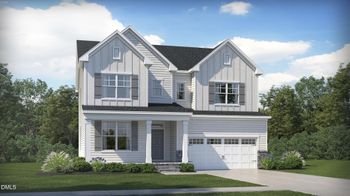
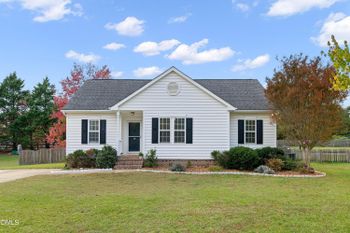
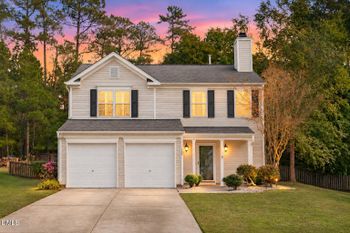
New - 19 Hours Ago
$914,900
Active
6
Beds
4
Baths
3633
Sqft
0.39
Acres
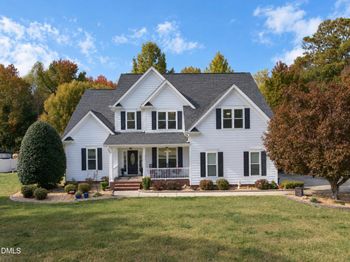
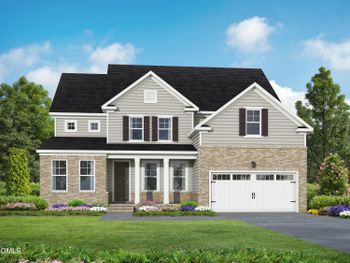
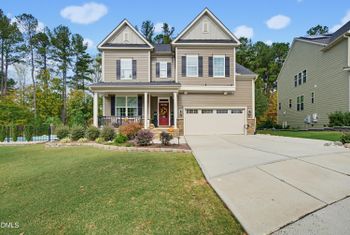
104 Mystic Quartz Ln, Holly Springs, NC 27540
MLS#: 10202362



Bass Lake Park may be one reason to look at Holly Springs. But a home that appears close to the lake on a map could still require a drive to the public entrance. A work route that uses the Triangle Expressway raises another question: what will the tolls add each month? Weigh those everyday differences alongside utility charges, homeowners association (HOA) dues, possible repairs and asking prices.
Start with two or three homes. For each, identify the workplace entrance, downtown, parks and other places you expect to visit regularly. Then try those trips and ask for the bills and property records that will help you compare costs and condition.
Reviewed October 8, 2026.
The town's facility directory lists the Cultural Center at 300 West Ballentine Street and Bass Lake Park at 900 Bass Lake Road. A theater, dance or music program at the Cultural Center is a different outing from a lakeside walk at Bass Lake. Which would you actually use? Compare homes by those trips, not just a neighborhood name.
If walking downtown is part of the plan, make that trip from each home, including the return. Notice the sidewalks and crossings along the way. If you will usually drive, check parking where you would actually go. Map distance alone will not tell you how practical either trip is.
The Cultural Center's current notice says the adjoining Wake County library is temporarily closed for renovations while Cultural Center programs continue. It also describes reduced parking during construction. Check that notice before visiting; do not assume the library is open because activities are running in the same building.
At Bass Lake, the town's trail page describes a 1.90-mile loop that is mostly mulch. The paved 1.32-mile Carl Dean Greenway runs past Sugg Farm to Grigsby Avenue, across from an entrance to Womble Park's paved trails. Those are different outings if the surface or route matters to you. Check current maps, entrances and the trip from each home; a trail drawn nearby does not establish public access beside the property.
If you're still choosing areas to explore, use the Holly Springs neighborhood guide to compare downtown and six communities before testing the trips from individual homes.
Use your employer's street address and office entrance. Compare the trip at your normal arrival and departure times, then drive the route when possible. Check a second workplace separately if two people commute.
If a proposed route uses the Triangle Expressway, include its all-electronic tolls in the budget. NCDOT's Triangle Expressway page links to current toll rates and the NC Quick Pass calculator. Use the entrances and exits you would actually take, the payment method, both directions and your expected workdays to estimate the cost.
Keep a separate record of the time, distance and cost for the toll route and the route without tolls. You can then decide how much any observed time saving is worth on your travel schedule. A shorter line on a map or one trial drive cannot establish the result for every weekday.
Holly Springs publishes utility rates effective July 1, 2026. Water charges include a monthly access fee based on meter size and tiered usage. Sewer has separate access and usage charges; sanitation and stormwater also appear on the rate schedule. In-town and outside-town rates or service charges differ, so the applicable category matters.
Ask the utility provider to confirm service and the applicable rate category for the exact address. Request recent seller bills and compare the individual charges, rather than treating water consumption as the entire bill. Your household's usage may differ from the seller's.
Also confirm electricity, internet and waste-service arrangements. For a new home, ask which connections are active, what you must set up before moving and whether any account-opening or connection charges remain. A Holly Springs mailing address alone does not establish the complete service arrangements.
Start with the lender's monthly payment estimate and ask what it includes: principal, interest, any mortgage insurance, property taxes and homeowners insurance. Check the estimated taxes against current property-tax information for the home and the estimated insurance cost against a quote for that home. Use those figures to refine your budget, but do not add taxes or insurance a second time if they are already included in the lender's payment estimate. Then budget for HOA dues, utilities, upkeep and regular tolls. Cash buyers skip the mortgage payment, not the applicable taxes, insurance and maintenance costs.
Wake County's real-estate records let you search by property address. Review the home's tax information and ask Tax Administration to explain any jurisdiction or charge you do not understand. A town's tax rate alone is not the whole bill, and the seller's tax history is not a guarantee of what you will owe.
If an HOA applies, request the current dues and payment frequency, governing documents, any additional assessments and the rules for amenities you would use. Check what the dues cover and which upkeep responsibilities remain yours. Our HOA fees and rules guide explains what to ask for before buying.
For an existing home, use repair receipts, permits and warranties to guide questions about the roof, heating and cooling equipment and earlier work. A lower asking price may be less of a bargain if substantial repairs are needed. Use inspections and appropriate contractor estimates to understand the work rather than assuming the price difference will cover it.
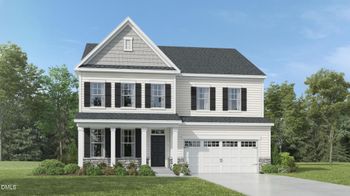
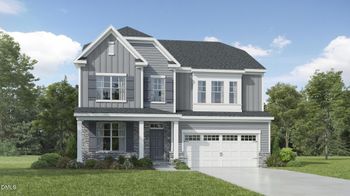
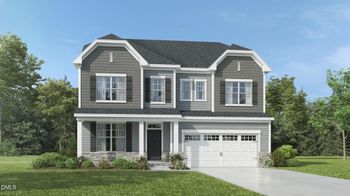
For a new home, request a written list of included features and priced upgrades. Ask about completion dates, warranties, nearby construction and the handling of delays in the actual purchase documents. Treat proposed roads or amenities separately from what is open today.
Tour two or three homes with different locations or maintenance needs. For each home:
If school assignment affects your search, use the Wake County Public School System address lookup for each home's exact address, relevant grade and school year. Check the calendar and transportation information, and ask its Office of Student Assignment about enrollment caps, split assignments or other enrollment questions. A listing, town name or nearest school building cannot confirm assignment. Recheck before committing to a purchase if that answer is essential to your decision.
Our Raleigh suburbs comparison can help you decide which other towns to visit. Keep one-time purchase expenses separate from recurring ownership costs using our buyer closing-cost guide.
Contact Raleigh Realty through HomesRaleigh with the property addresses, your work destination and your questions about price, taxes, utility bills, HOA charges or repairs. An agent can help arrange tours and request available records. Confirm provider charges with the utility, tax questions with Tax Administration and repair concerns with the relevant inspector or contractor.
The goal is to find a home whose daily trips and ownership costs suit you, with important property questions answered before the deadlines in your purchase contract.
Revised October 20, 2026.