New - 22 Hours Ago
$310,000
Active
--
Beds
--
Baths
--
Sqft
1.41
Acres
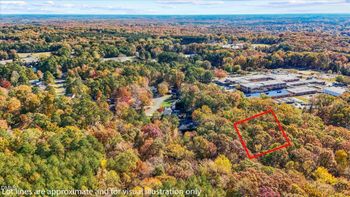
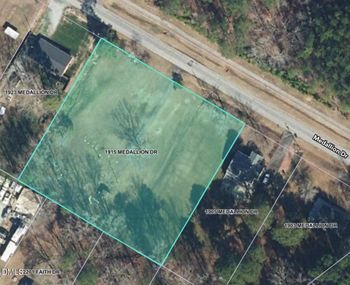
1915 Medallion Dr Lot 20-24, Durham, NC 27704
MLS#: 10204439



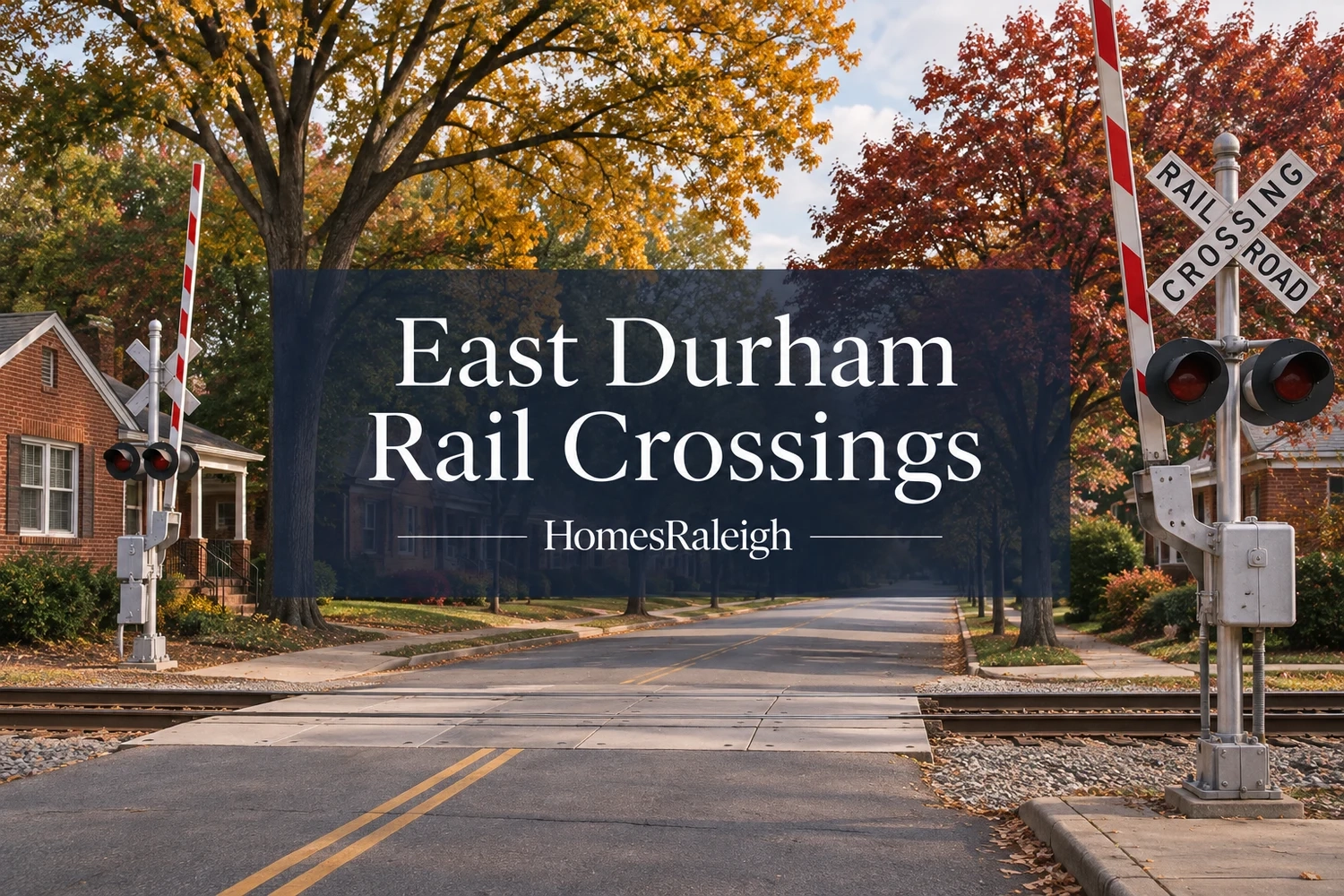
Durham County is studying three railroad crossings in East Durham, North Carolina, and its map shows a catch for homebuyers: South Plum Street and South Driver Street both cross the tracks at street level. Switching between them might give you another way across, but it wouldn't eliminate an at-grade crossing.
A home can look close to work or shopping on a map. The streets connecting it to those destinations tell you more about the trip you'd actually make.
The county's October 29 announcement scheduled a public kickoff webinar for November 12, 2026. The Federal Railroad Administration had already approved the study's Project Management Plan in May and its preliminary Purpose and Need Statement in October.
Those milestones move the planning process forward. They don't establish which crossings might change or whether any particular improvement will be built.
For buyers, the immediate question is simpler: How would you get from a home you're considering to the places you visit every day, and what would you do if your usual crossing weren't available?
The East Durham Rail Crossings Study covers approximately one mile of railroad corridor between Angier Avenue and Pettigrew Street. It examines three at-grade crossings, where roads meet railroad tracks at street level: South Plum Street, South Driver Street, and Ellis Road.
The official county map places Plum and Driver relatively close together, with Ellis Road farther along the corridor. East Pettigrew Street runs beside the tracks through part of the mapped area.
The map establishes the crossing locations, not a usable detour. It doesn't verify which surrounding turns, public-road connections, or walking routes would work from a particular home.
You don't need to predict Durham's eventual rail project to make a better-informed housing decision. You need to understand the roads that exist today.
Start with a home address and a destination you regularly visit.
Maybe it's your workplace, your child's school, a grocery store, or somewhere you travel several times a week.
Trace the entire route rather than looking only at how far away the destination appears.
Does the trip take you across the railroad tracks at South Plum Street, South Driver Street, or Ellis Road? Are you approaching the railroad from a direction that makes another street more practical?
Don't assume the crossing closest to a house is necessarily the one you'd use.
This is especially helpful when comparing homes on different sides of the corridor. Two properties can appear similarly convenient on a map, but their street connections may produce different everyday routes.
Imagine your normal crossing is temporarily unavailable. Trace another public-road route all the way to your destination, checking connections and permitted turns rather than assuming nearby streets link up as expected.
For a backup that takes you from Plum to Driver, you'd still be relying on a street-level railroad crossing. A verified grade-separated route could cross the same rail corridor without an at-grade crossing, but the county map doesn't establish such a route from your home.
Ellis Road offers a third crossing to investigate, not an automatically convenient detour. Trace that connection too.
A map can identify a route, but testing it shows how it fits your routine. If you normally leave for work in the morning, make the trip during your usual departure period and check the return journey when you'd typically head home.
Notice the street connections, turns, and approaches to the crossing. Then test your backup. If you expect to walk or bicycle, evaluate that trip separately, checking sidewalks, crossing facilities, and public access rather than assuming the driving route works the same way.
A single visit won't establish typical train frequency or crossing delays. It can, however, help you understand how the route works from the home you're considering.
Once you understand today's routes, you can follow the study with a more specific question in mind.
Durham County is examining possible bridges, underpasses, crossing closures, new road connections, and other safety improvements.
A new connection might create another way across the corridor. A crossing closure could change which streets residents use. A bridge or underpass could separate road traffic from the railroad.
But none of those possibilities should be treated as a decision about Plum, Driver, or Ellis Road.
If your home search depends on one of these crossings, follow the county's project updates for proposed access changes and opportunities to comment as alternatives are developed.
Durham County's planning budget totals $1.525 million: a $1.22 million federal grant and a $305,000 local match. That money pays for examining alternatives and developing recommendations, not implementing a selected improvement or crossing closure.
The county schedules alternatives analysis for 2027 and 2028, with study completion expected in mid-2029. If the study leads to a construction proposal, further decisions, approvals, and separate funding would still be needed. The county anticipates pursuing construction funding with government partners after the planning process.
For a broader look at commuting, housing costs, and everyday life, read our guide to living in Durham, NC.
You can also explore Durham homes for sale across the city. The search isn't filtered by rail crossings or noise, so once a home catches your eye, check its normal route and a workable alternative.
If you'd like help comparing homes around the places you regularly need to reach, contact HomesRaleigh with your questions.
Conceptual illustration of a railroad crossing.