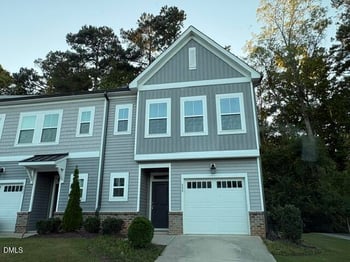
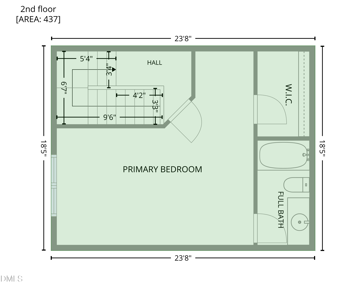
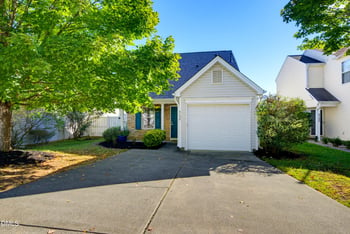
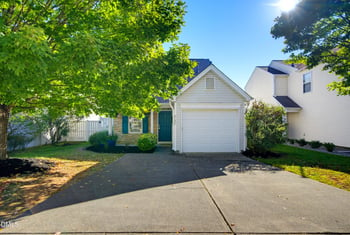
New - 15 Mins Ago



Compare the total cost of the rental with the total cost of owning a particular home, then ask how long you expect to stay. Rent versus a mortgage's principal-and-interest payment leaves out expenses that can change the answer.
Renting may suit a move with an uncertain work location or departure date. Buying may suit a longer stay if the home fits your needs and you can cover the purchase, monthly bills and repairs. Neither choice is automatically cheaper or better for everyone moving to Raleigh.
Updated October 7, 2026.
For the rental, request the proposed lease and a written list of recurring charges. Add the base rent, required fees, parking, pet charges where applicable, renters insurance and utilities you would pay. Ask which utilities are included and how shared charges are calculated.
For a purchase, use a lender's Loan Estimate for the home and financing you're considering. Add principal and interest, mortgage insurance where applicable, property taxes, homeowners insurance, HOA dues and utilities. Check which costs are already in the quoted payment so you do not count them twice.
Also set aside money for maintenance and repairs. The CFPB's homeownership-cost guidance notes that owners are responsible for those expenses. An inspection and the equipment's age can help you decide what to investigate and budget for; no standard monthly allowance guarantees enough money for a roof or heating-system replacement.
The following numbers are illustrative assumptions, not Raleigh averages, current listings or a mortgage quote. Utilities are excluded from both sides here and must be added for the two homes you actually compare.
Rental example: $1,800 base rent, $25 renters insurance and $50 required monthly fees total $1,875 per month before utilities. This example assumes no additional parking or pet charges.
Purchase example: a $350,000 price with 10% down means a $35,000 down payment and a $315,000 loan. At an assumed fixed 6.5% interest rate over 30 years, principal and interest are approximately $1,991 per month. This is not a current offered rate or an annual percentage rate that includes loan costs.
Add these assumed monthly amounts:
That produces a monthly ownership budget of approximately $2,771 before utilities, including the repair allowance. In this example, owning requires about $896 more per month than renting. Actual taxes, insurance, loan terms, HOA charges and repair needs could change the comparison substantially.
The example is a monthly cash comparison. It does not calculate investment returns or a break-even date. Part of each mortgage payment reduces the loan balance, but that money is not available to pay your monthly bills. Future home values, selling expenses and the length of your stay also affect the eventual result.
For a rental, ask for an itemized move-in statement: application charges, security deposit, first rent payment, any pet deposit or fee and other required amounts. Separate money that may be refundable under the lease and applicable law from money you pay as a fee. Ask how and when deposits can be returned.
For a purchase, the down payment is only part of the cash needed. The CFPB's Loan Estimate explainer describes Estimated Cash to Close: the down payment and closing costs, minus deposits already paid, seller credits and other adjustments. Ask the lender to explain each item in your estimate and which expenses you would pay before closing.
In the example above, a $35,000 down payment plus an assumed $7,000 of closing costs and prepaid charges totals $42,000, before any credits or amounts already paid. The $7,000 is an example, not a fee estimate for your purchase. Ask the lender for the actual estimate and what is included.
In North Carolina, ask your agent and closing attorney to explain any proposed due-diligence fee, earnest-money deposit and refund provisions before you sign an offer. Confirm the amount and deadline for each payment, whether it is credited at closing and what happens if the purchase does not close. Also budget for inspections, moving and overlapping housing payments. Do not add an amount twice if it is already included in the cash-to-close calculation.
Compare homes that serve the same daily needs. A rental near work and a purchase farther away are not simply two different housing payments: they can create different fuel, toll, parking and time costs.
List the addresses you visit regularly, including work, any required school or childcare trips and other frequent stops. Check the routes from both properties at the times you expect to travel. If a route uses toll roads, estimate those charges with the NC Quick Pass toll calculator.
If you are still choosing a town, our Triangle location guide can help you compare places before committing to a lease or purchase. For a Raleigh purchase budget, use our cost-of-living guide as a starting checklist, then replace estimates with the property's bills and your quotes.
For the rental, read the lease's termination, notice, renewal and any early-exit provisions. Ask the landlord or property manager to explain the charges and obligations in writing before signing. Do not assume that renting allows you to leave at any time without a cost.
For a purchase, ask an agent to estimate the expenses of selling the particular home. Compare those expenses with your likely loan balance and the length of time you expect to own it. Selling quickly does not guarantee that you will recover the down payment or purchase costs, and a higher future sale price is not assured.
If a job change or relocation is a realistic possibility, calculate both outcomes: what it would cost to end the lease under its terms and what it could cost to sell the house. Treat future sale prices as scenarios rather than known amounts.
Before deciding, request the proposed lease and full rental fee list from the landlord or property manager, a Loan Estimate from a lender, and available property tax, insurance, HOA and condition information for the home you are considering. Compare the same monthly cost categories and the cash needed before moving. Keep an emergency reserve outside both budgets.
If assistance could affect the purchase, ask a participating lender to review our Raleigh first-time buyer program guide with you. An assistance amount does not establish the full monthly payment or guarantee eligibility.
Ask Raleigh Realty to help you compare homes to buy. Send the towns and purchase addresses you're considering, your price range and expected length of stay. Our team can help you evaluate homes and purchase steps while your lender supplies the financing figures. For the rental's exact charges and obligations, request the proposed lease from its landlord or property manager.